


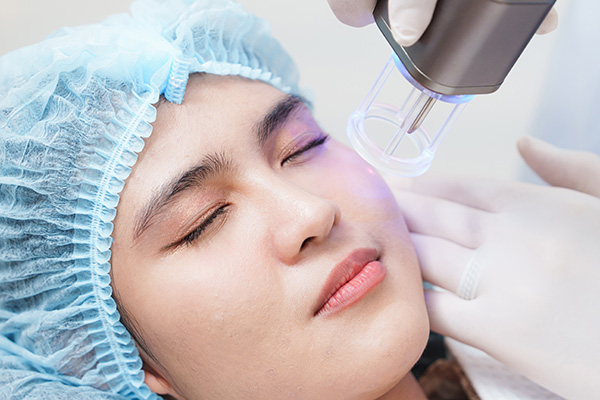
Beautiful skin doesn’t happen by chance. While UltraClear® laser resurfacing can help improve skin texture, fine lines, sun damage, acne scars, and overall skin quality in ALL SKIN TONES, the results you achieve depend on more than the treatment itself. Preparing your skin properly and caring for it throughout the healing process are essential steps toward achieving your best possible outcome.
At The West Institute, we believe exceptional results come from combining advanced laser technology with a thoughtful, personalized approach. That’s why we guide our patients through every stage of their UltraClear treatment, from the weeks leading up to their appointment to the days and weeks that follow.
Here’s how you can help maximize your results.
1. Start Preparing Your Skin Several Weeks Before Treatment
Think of the weeks before your UltraClear treatment as an opportunity to create the healthiest possible foundation for skin renewal. A calm, well-hydrated skin barrier and a consistent skincare routine can help prepare your skin for treatment and recovery.
Protect your skin from the sun
One of the most important things you can do before laser resurfacing is minimize sun exposure. Tanned or sun-irritated skin may increase the risk of complications, including unwanted pigmentation changes.
In the two to four weeks before your appointment:
- Avoid intentional tanning and tanning beds.
- Minimize prolonged direct sun exposure. Wear a mineral (zinc oxide) or BEMT (Bemetrizinol) sunscreen daily, along with a wide-brimmed hat when outdoors.
- Avoid arriving at your appointment with sunburned or recently tanned skin.
Sun protection is just as important after your treatment, so establishing these habits early will help you maintain your results long-term.
Establish a gentle, consistent skincare routine
In the weeks leading up to treatment, focus on supporting your skin barrier rather than trying to aggressively exfoliate or achieve dramatic changes with new products.
At The West Institute, we recommend applying Alastin Nectar daily beginning at least 2 weeks prior to laser resurfacing to clear out old, damaged collagen.
Depending on your skin type and concerns, our providers may recommend a specific product target to brown or blotchy pigmentation prior to laser resurfacing.
The key is personalization. Your ideal preparation routine will depend on your skin condition, medical history, pigmentation concerns, and the intensity of your planned treatment.
Know when to pause active skincare ingredients
Retinoids, including retinol and tretinoin, as well as exfoliating acids such as glycolic and salicylic acid, can increase irritation in some patients.
Your provider may recommend temporarily discontinuing these products several days before treatment, or longer if your skin requires it. Other potentially irritating products or procedures may also need to be paused.
Follow the specific timeline provided by The West Institute rather than relying on a one-size-fits-all schedule.
Discuss medications and your medical history
Before your treatment, let your provider know about all medications, supplements, topical prescriptions, recent cosmetic procedures, and any history of cold sores or delayed wound healing.
All resurfacing patients receive antiviral treatment prior to laser resurfacing, and antibiotics for deeper resurfacing treatments, to prevent viral and/or bacterial infection. Never stop a prescribed medication without discussing it with your prescribing clinician.
Plan your recovery in advance
Although UltraClear offers customizable treatment options with different levels of downtime, more intensive resurfacing requires more recovery time.
Before your appointment, consider your work schedule, social commitments, exercise routine, and upcoming travel. Give yourself enough time to rest and allow your skin to heal without feeling rushed.
One of the biggest advantages of the UltraClear cold fiber laser is its faster healing profile, so most all treatments heal within one week, even with deeper/more aggressive laser settings.
It is also helpful to have your recommended post-treatment skincare products ready at home so you can focus on recovery.
2. The Day of Your UltraClear Treatment
Arrive with clean skin and follow any specific instructions provided by our team regarding skincare and topical products.
After treatment, your skin may appear pink or red and feel warm, tight, sensitive, or swollen. Depending on the treatment depth, you may also experience pinpoint crusting, flaking, or a rough, sandpaper-like texture as the skin renews itself.
These changes are part of the healing process, but their intensity and duration vary from patient to patient.
Your provider will explain what to expect based on the UltraClear settings used and the concerns being addressed.
3.The Healing Phase: Your Aftercare Makes a Difference
After laser resurfacing, your skin is actively repairing itself. During this time, your priority should be to protect the healing skin barrier, minimize irritation, and follow your personalized aftercare instructions carefully.
Keep your skin clean and moisturized
Use only the cleanser, moisturizer, ointment, or other products recommended by your provider during the initial healing phase.
Depending on the treatment intensity, you may be instructed to use a protective ointment to maintain moisture while the skin surface heals. Once your provider advises that it is appropriate, you can transition to a gentle moisturizer.
Avoid harsh cleansers, scrubs, exfoliating brushes, and fragranced products that may irritate the skin.
More products do not necessarily mean better results. During recovery, a simple, consistent routine is usually preferable to experimenting with new skincare ingredients.
Never pick, peel, or scrub your skin
As your skin heals, you may notice small flakes, rough patches, or tiny crusts. It can be tempting to remove them, especially when you begin to see fresh skin underneath.
Resist that temptation.
Picking or pulling at healing skin can cause unnecessary inflammation, delay recovery, and increase the risk of scarring or pigmentation changes. Allow the skin to shed naturally.
Be mindful of heat and strenuous exercise
For the first several days after treatment, avoid activities that cause excessive heat, sweating, or flushing. These may include strenuous exercise, hot yoga, saunas, steam rooms, and hot tubs.
Your provider will advise when you can safely resume your usual routine. The appropriate timeline depends on the depth and intensity of your treatment and how your skin is healing.
Protect your skin from the sun
Freshly resurfaced skin is particularly vulnerable to ultraviolet exposure, which can contribute to prolonged redness and unwanted pigmentation.
During recovery:
- Avoid direct sun exposure as much as possible.
- Wear a wide-brimmed hat when outdoors.
- Begin using a gentle, broad-spectrum sunscreen when your provider confirms that your skin has healed sufficiently for its use.
- Continue diligent daily sun protection after the initial recovery period.
Mineral sunscreens containing zinc oxide or titanium dioxide, or BEMT (Bemetrizinol) may be a suitable option once your skin is ready for sunscreen.
Sun protection is not simply a short-term recovery measure. It is one of the most important habits for preserving improvements in skin tone, texture, and overall appearance.
Give your skin time to recover before restarting active ingredients
Do not rush to resume retinol, tretinoin, exfoliating acids, strong vitamin C products, or other potentially irritating ingredients.
Wait until the skin has healed and your provider has cleared you to reintroduce them. Restarting too soon can cause irritation and interfere with a comfortable recovery.
Your provider can help you determine when and how to return to your regular skincare routine.
4. The West Institute Difference: Follow-Up Care on Days 3 and 5
At The West Institute, we believe that caring for your skin after laser resurfacing is just as important as preparing it beforehand.
Our UltraClear protocol includes follow-up visits at three and five days after treatment for LED light and oxygen treatments.
These visits allow us to provide additional support during the early healing phase, when your skin is working to repair its surface and recover from the laser treatment.
Why do we incorporate LED light treatments?
LED light treatments use specific wavelengths of light and are commonly incorporated into aesthetic protocols to support the skin during recovery. Professional gradeLED therapy helps support the skin’s natural healing processes and improve the overall recovery experience.
At The West Institute, we incorporate LED light treatments as part of our comprehensive approach to post-laser care.
What is the role of oxygen treatments?
Oxygen treatments are another component of our post-treatment protocol. They are incorporated to complement our approach to skin recovery and provide additional care while the skin is healing.
The specific benefits and appropriate timing of adjunctive treatments depend on the individual patient and the protocol used. These treatments complement, rather than replace, proper cleansing, moisturizing, sun protection, and adherence to your prescribed aftercare instructions.
Why are the day-three and day-five visits important?
The first several days following resurfacing are an important period in the recovery process. Rather than sending patients home with instructions and leaving them to navigate this phase alone, we schedule dedicated visits to provide additional care and monitor their progress.
These appointments give our team an opportunity to assess your skin, address questions, and reinforce your personalized aftercare plan.
This hands-on approach reflects our philosophy at The West Institute: excellent aesthetic care involves not only the treatment itself, but also the attention and guidance provided throughout recovery.
5. Support Your Skin From the Inside Out
Healthy skin is influenced by more than topical skincare. Your everyday habits can also help support your body’s normal repair processes.
During recovery, prioritize:
- Hydration: Drink water regularly and maintain your usual healthy fluid intake.
- Balanced nutrition: Eat a varied diet with adequate protein, fruits, vegetables, and other nutrient-rich foods.
- Rest: Give yourself time to sleep and recover, particularly during the first few days.
- Avoiding smoking: Smoking can impair wound healing, so avoiding tobacco and nicotine is advisable during recovery.
- Consistency: Follow your prescribed skincare and aftercare plan every day rather than frequently changing products or routines.
There is no supplement, food, or skincare product that can guarantee a better laser result. The goal is to support your overall health while allowing your skin to heal naturally.
6. Understand Your Results Timeline
Patience is an important part of the resurfacing process. Although some patients notice improvements in skin radiance and texture relatively quickly, the full benefits of treatment develop over time.
Immediately after treatment, temporary redness, swelling, sensitivity, and textural changes may be noticeable.
Over the following days, the skin gradually heals and begins to reveal a fresher-looking surface. Depending on the intensity of treatment, visible peeling and redness may persist for a period of time.
Over the following weeks and months, improvements in skin texture, tone, and firmness may continue as the skin remodels collagen.
The timeline varies based on the treatment performed, your starting skin condition, your individual healing response, and your aftercare routine.
Remember that the goal is not to rush the healing process, but to allow your skin to recover properly so you can enjoy the benefits of your treatment.
7. Maintain Your Results With a Long-Term Skin Plan
Once your skin has healed, the focus shifts from recovery to maintenance.
Daily sun protection, an appropriate skincare regimen, and periodic visits to the practice can help maintain your results and address new or ongoing skin concerns.
Your provider will recommend medical-grade skincare or additional treatments based on your goals and how your skin responds to UltraClear.
There is no single maintenance plan that is right for everyone. At The West Institute, we believe your long-term skincare strategy should evolve with your skin and your priorities.
Your Best UltraClear Results Begin With the Right Plan
UltraClear laser resurfacing offers a customizable approach to improving skin tone, texture, fine lines, and other visible signs of aging; and maximizing your results requires more than choosing the right technology.
It means preparing your skin in the weeks before treatment, following a careful aftercare routine, protecting your skin from the sun, and allowing enough time for the healing process to unfold.
At The West Institute, our approach includes personalized treatment planning and scheduled follow-up visits on days three and five for LED light and oxygen treatments, providing additional support during the early recovery period.
Ready to learn whether UltraClear is right for you?
Schedule a consultation with The West Institute to discuss your skin concerns, explore your treatment options, and develop a personalized plan designed around your goals.
Your journey toward healthier-looking, smoother, more radiant skin begins with expert guidance and thoughtful care at every step.